BRNSFT's Productivity Blog
Tags
- AI
- AI-assisted focus
- Agents
- Audio
- Change
- Cognitive Load
- Cognitive Science
- Context Switching
- Decent Work
- Deep Work
- Doorway effect
- Economic Impact
- Employee Engagement
- Employee Well-being
- Generative AI
- Habits
- Ikuna
- LLM
- LLM Agents
- Mental-Models
- Mindset
- Neuroscience
- Pomodoro
- Positive
- Productivity
- Routine
- Routines
- Save Workspace
- Well-Being
- Well-being
- Workplace Dignity
- attention
- attention management
- attentional residue
- burnout
- burnout prevention
- cognitive
- cognitive enhancement
- cognitiveload
- comfort zone
- concentration
- deep work
- digital nomad
- digital wellbeing
- efficiency
- environment
- ergonomics
- eventsegmentation
- focus
- home office
Latest Blogs
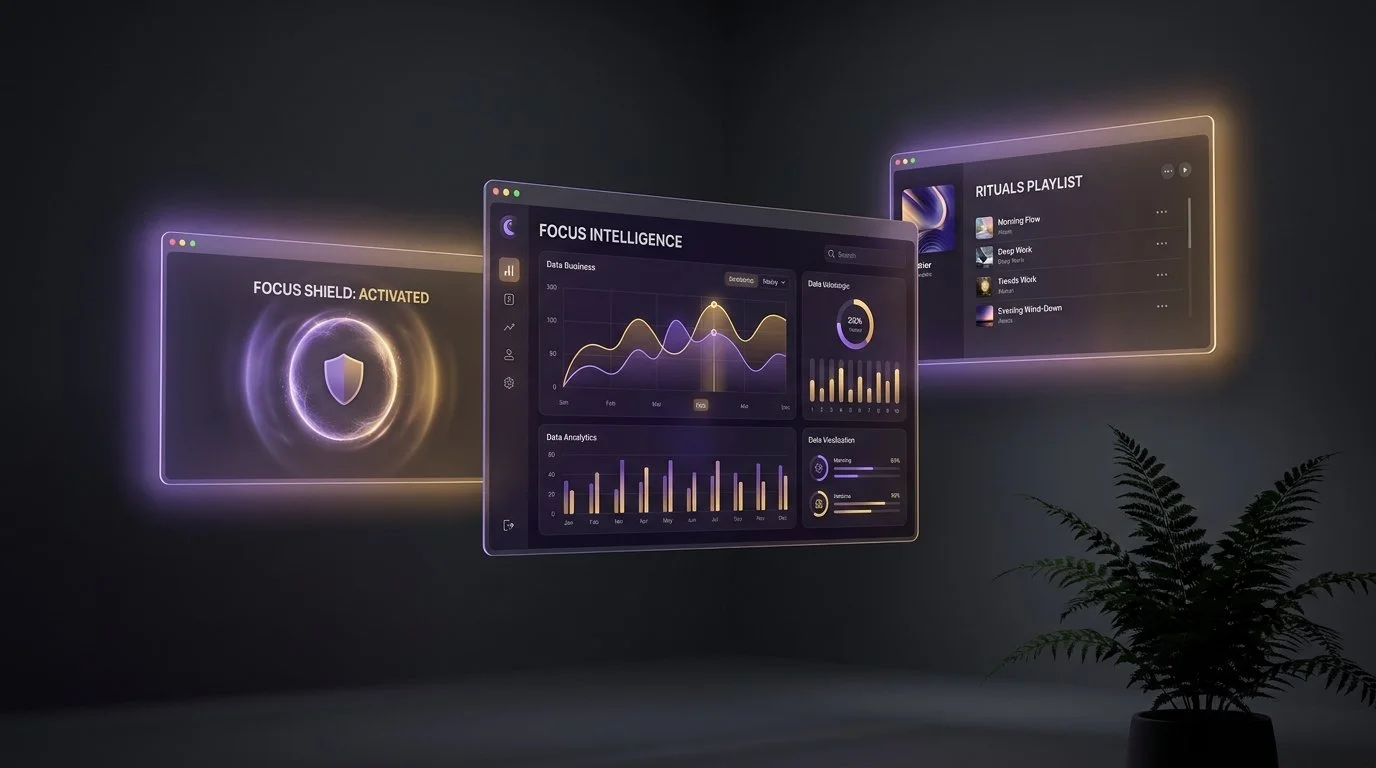
Ikuna in 2026: What Shipped, What's Coming, and Where We're Aiming
I ramped production back up after a long stretch of keeping the lights on but not much else. Seven months later, Ikuna is stable, the intelligence layer is in, and the product is finally what it was supposed to be from the start. Not a window manager with extras. A focus intelligence platform that happens to use save and restore as the mechanism.
This is the narrative changelog. Not a bullet list, not a press release. The honest version of what shipped, what we got wrong, what's coming, and where the company is actually aiming.
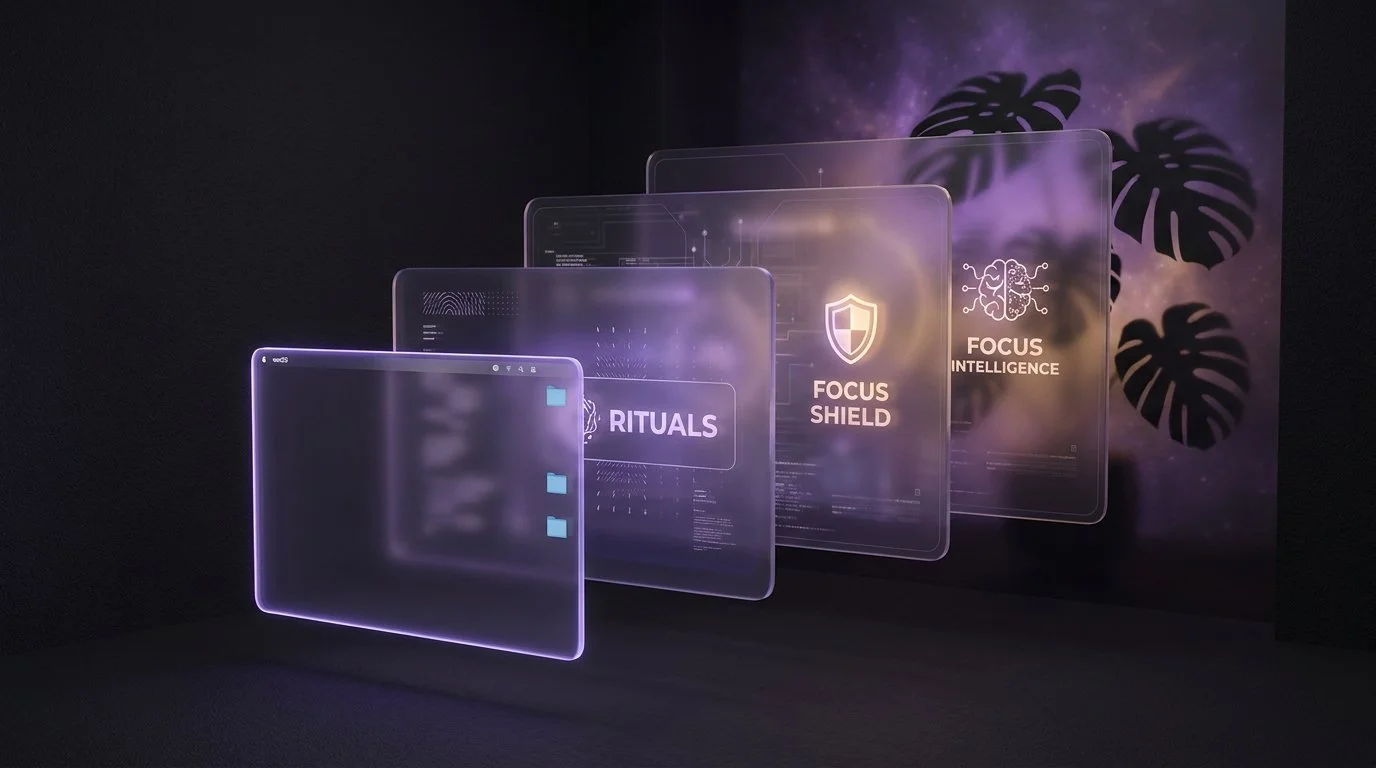
Why Ikuna Is More Than a Window Manager
I get it. At first glance, Ikuna looks like a window manager.
That's not an accident. We put the snapping and the layout on the surface deliberately, because in 2020 that was the fastest way to explain what the app did in ten seconds. If you're evaluating productivity tools and you see windows snap into place, you understand the value proposition immediately. Rectangle does that. Magnet does that. Stage Manager does that. The category is legible, the benefit is instant, and you can decide whether you want it in about thirty seconds.

Why I Built Ikuna: The Office Stack We Lost When We Went Remote
When I went fully remote, my productivity didn't dip. It collapsed.
It wasn't dramatic on day one. I had a laptop, a kitchen table, a reasonable internet connection, and what I believed was a decade of self-discipline. By month two, I was finishing the day with the same feeling you get after a long flight: I'd been on, technically, for nine hours and could not point to a single block of real work. Meetings ran into deep work, deep work ran into messages, messages ran into a half-written doc I'd already opened twice that morning. Each evening I'd close the laptop convinced I'd just had a bad day.


The 12 Best macOS Productivity Apps for 2026, Tested by Category
The best Mac productivity setup in 2026 isn't one app. It's five categories working together: a task manager (Things), a launcher (Raycast), a window manager (Rectangle), a context manager (Ikuna), and a focus tool (Focus). Knowledge workers juggling multiple projects need each layer because no single app covers what you do, where you do it, and when you commit to doing it. The 12 apps below are the ones I keep recommending after testing the field, picked for daily-driver reliability over novelty.
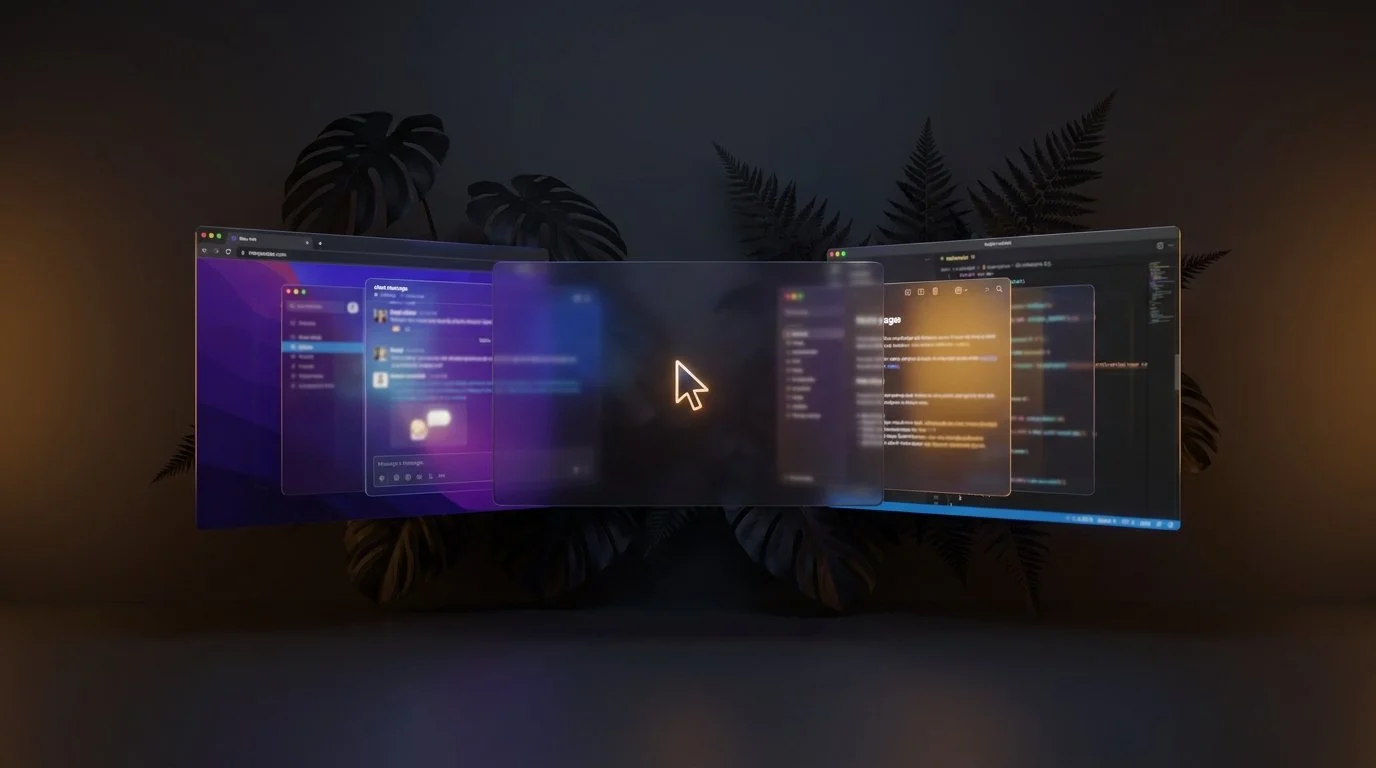
How to Open All Your Project Apps With One Click on Mac
Most "open my work apps" tutorials online point you at Automator or Shortcuts. Those work for opening apps. They don't bring back your browser tabs, they don't put your windows where you had them, and they don't switch your Focus Mode. If you only ever work on one project, that's fine. If you switch between two, three, or five different projects in a day, opening blank apps isn't the same as being ready to work.

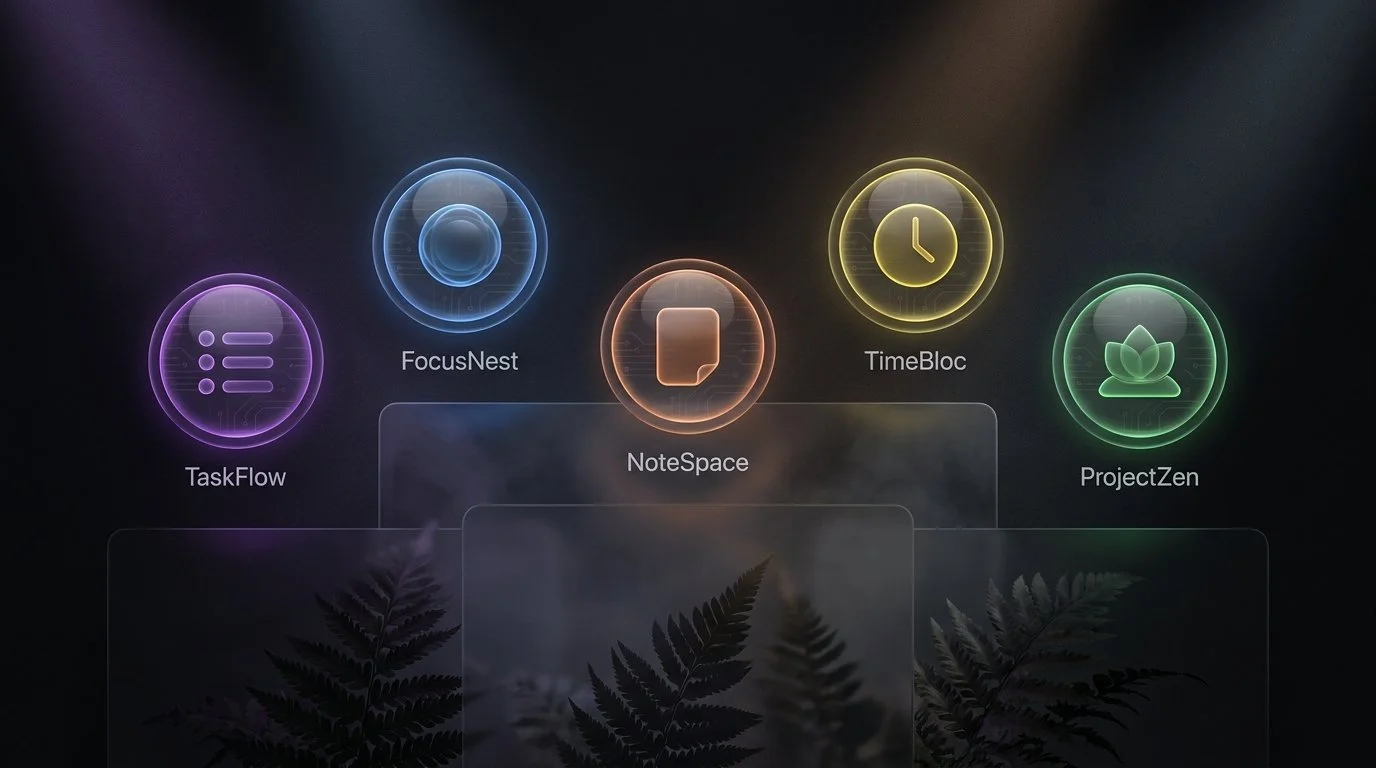
Best macOS Workspace Managers Compared (2026)
The best macOS workspace manager depends on what problem you're solving. Window positioning, workspace switching, or full project context persistence are three different needs served by different tools. Ikuna saves your complete project environment (apps, tabs, windows, Focus Mode) and restores it when you switch projects. BetterStage combines window tiling with named stages and AI-powered layouts. Spencer saves window layouts across virtual Desktops. Rectangle snaps and resizes windows. Stage Manager groups open windows visually.
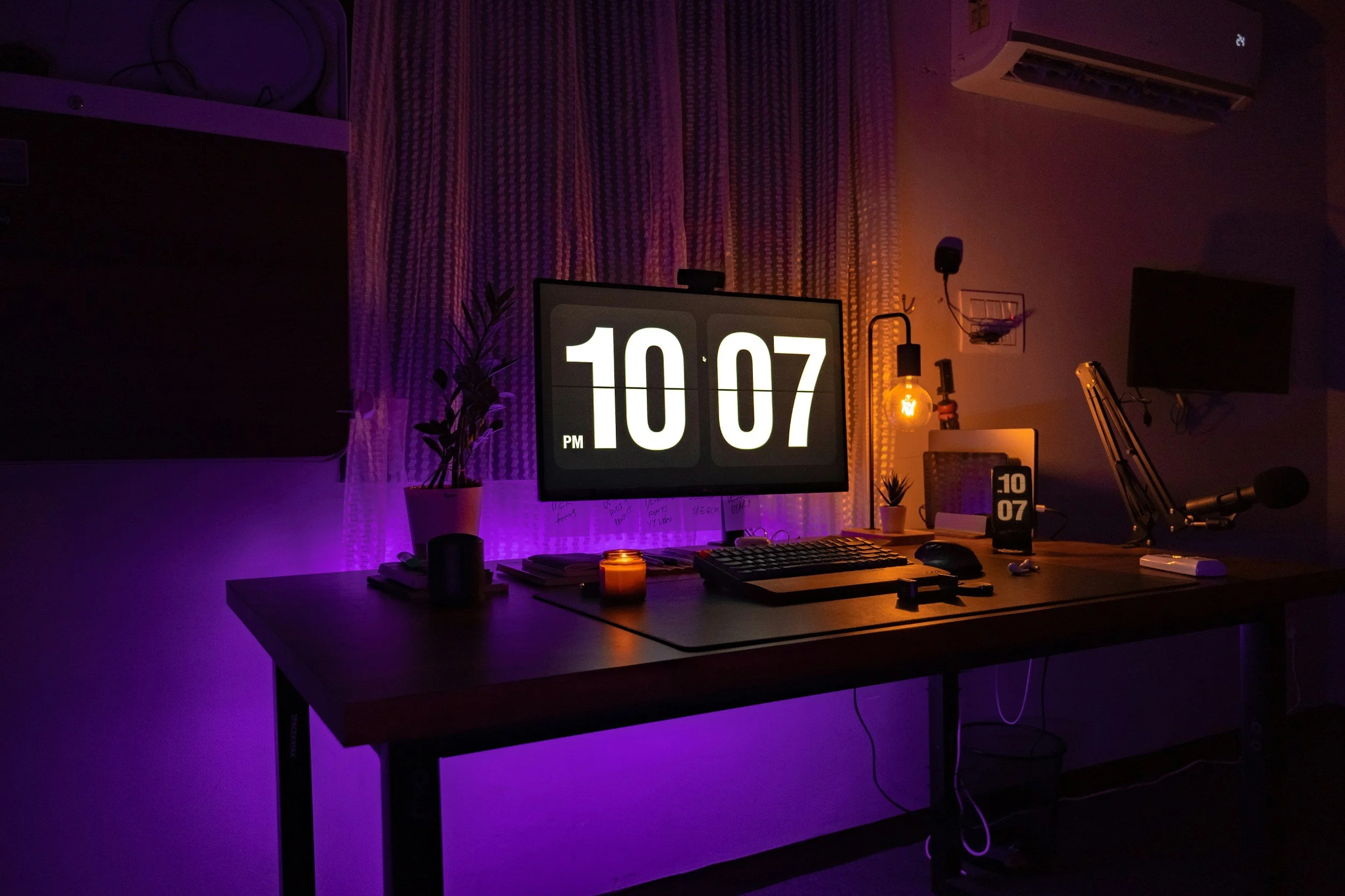
Color Is Controlling Your Focus More Than You Think
Most people think productivity lives or dies at the level of discipline.
They think the answer is better habits, stricter routines, more self-control, another optimization system, another app. So they keep adjusting the visible parts of their life while ignoring the conditions that quietly shape their behavior underneath all of it.

How to Save Your Entire Workspace Setup on Mac and Restore It Later
Ikuna saves your complete workspace setup on Mac as a named context and restores it in one click. This includes which apps are open, which browser tabs are loaded, where each window is positioned, and which Focus mode is active. When you switch projects, Ikuna closes the current context and reopens everything for the new one exactly as you left it.
The Complete Mac Deep Work Setup Guide: Tools That Actually Stop Digital Chaos
Getting pulled in different directions during deep work on a Mac has two distinct causes, and most people only fix one. A complete deep work setup on Mac needs to address both. Ikuna solves the environmental layer by saving and restoring your entire workspace state in under three seconds.

I Keep Losing My Whole Window Setup Every Time I Switch Tasks on My Mac. Is There an App That Saves and Restores Everything?
macOS doesn't save workspace state natively. When you close apps or restart your Mac, everything resets. Virtual desktops (Spaces) remember window positions only while apps stay open, but they don't track which apps belong to which project, and they don't restore closed windows. If you're managing multiple projects- client work, personal tasks, research, you're manually rebuilding your setup every time you switch.
Best Mac Apps for Knowledge Workers Managing Multiple Projects
This guide breaks down the most useful app categories for multi project work on Mac and shows how to build a setup that reduces context switching, cuts setup time, and makes it easier to stay focused across clients, departments, or workstreams.

Balancing Work and Well-Being: 5 Strategies for Digital Workers to Optimize Productivity and Mental Health
Research suggests traditional methods of measuring productivity are inadequate. Long hours and an emphasis on output can negatively impact mental health and lead to burnout. However, digital workers must accept this as they are constantly connected and expected to be available. The challenge, then, is how to design systems that promote both productivity and well-being.
The answer lies in a holistic approach. Rather than focusing solely on output, we must consider the wider effects of tools and processes on users. This includes integrating mental wellness practices such as mindfulness and stress management into production systems and recognizing the value of downtime and breaks

Maximize Your Memory and Productivity: How to Utilize Environmental Cues in Your Daily Life
The article discusses the importance of environmental cues in shaping our perception of the world and how they can impact our memory recall and decision-making. It explains the concept of the Doorway Effect as an example of how environmental cues can create cognitive boundaries that separates events and memories.

Context Switching | The hidden productivity killer.
Context switching, or the constant shifting of focus between tasks, is a common problem in today's fast-paced work environment. However, it is also a significant hindrance to productivity, as it takes time for the brain to switch its focus, leading to decreased efficiency and increased stress levels.

Workplace Dignity: The Cornerstone of Productivity, Well-being, and Economic Resilience
Why workplace dignity is crucial for modern businesses. This article explores how fostering respect, fairness, and security impacts employee well-being, boosts productivity, drives innovation, and contributes to broader economic resilience. Learn about the core components of dignity, its connection to job satisfaction and mental health, the implications of legislative changes like the UK's Employment Rights Bill, and why prioritizing dignity is a strategic imperative for organizational success and human flourishing